
IndiView Chart of the Week: The Rise and Fall of GLP-1 Stocks
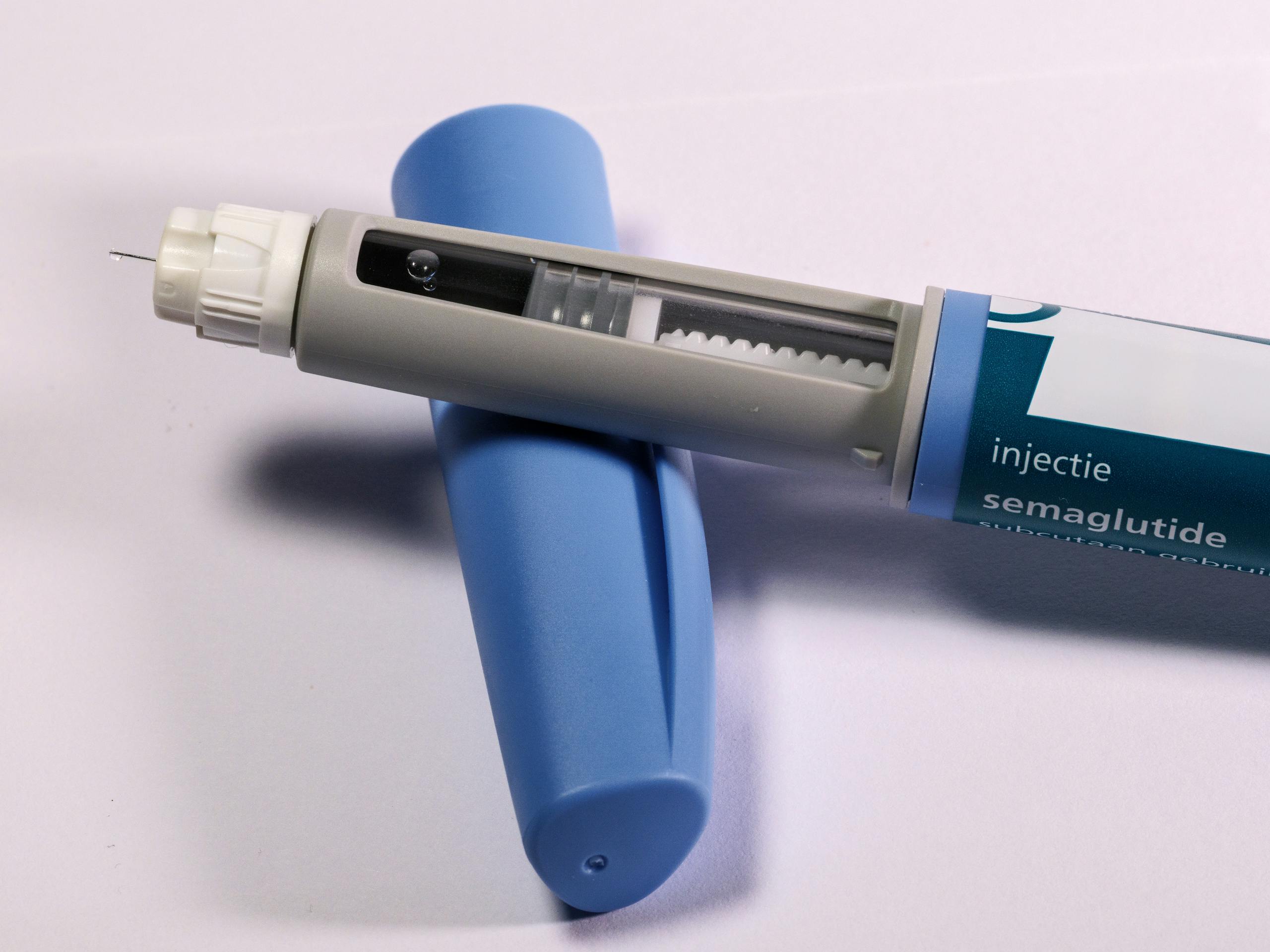
GLP-1 drugs were originally developed for Type 2 diabetes but have gained massive popularity for their effectiveness in treating obesity. Two of the most prominent GLP-1 medications are semaglutide (Novo Nordisk’s Ozempic and Wegovy) and tirzepatide (Eli Lilly’s Mounjaro and Zepbound).
These drugs have generated tremendous sales. In 2024 alone, Novo Nordisk earned $26 billion, while Eli Lilly brought in $16.4 billion from their GLP-1 portfolios. Unsurprisingly, both stocks surged to all-time highs.
But not anymore.
Our Chart of the Week highlights the sharp decline in both Novo Nordisk (NVO) and Eli Lilly (LLY) stock over the past year. As of August 2025, LLY is down nearly 19%, and NVO is down an astonishing 62%, even while the SPDR S&P 500 ETF (SPY) is up over 22%. A second chart, measuring drawdown from peak, shows LLY off 33% and NVO down nearly 65% from their all-time levels.

Given the size of the market and potential future applications, why have these stocks struggled?
1. Pricing Pressure
GLP-1 drugs are expensive. List prices for Wegovy and Zepbound exceed $1,000 per month, and many insurers either deny or heavily restrict coverage. Out-of-pocket costs—though sometimes discounted—remain prohibitive. This pricing challenge continues to limit mass adoption and long-term revenue predictability.
2. Shortage Created Options
Demand for GLP-1 drugs quickly outpaced supply, triggering an FDA-designated shortage. That opened the door for compounding pharmacies to legally produce semaglutide and tirzepatide alternatives—albeit without FDA review. These versions cost far less, drawing patients away from the brand-name products.
Even now, with shortages resolved, compounding pharmacies have not gone away completely, creating a pricing overhang. For patients, the significant additional cost for the same effect is unappealing and regulators have not been as aggressive to shut down firms for, in our opinion, the fear of political backlash.
3. Public Sentiment
The public believes drug prices are simply too high. Despite their proven efficacy, GLP-1s have become emblematic of the U.S. healthcare affordability debate. Lawmakers and media alike have focused more on cost than clinical success. Any heavy-handed enforcement to protect big pharma profits would be publicly unpopular, further complicating the revenue outlook.
4. Future Competition and Innovation Risk
These drugs are effective and in demand—meaning the market will not remain exclusive for long. Current GLP-1s are injectable, but oral alternatives and next-generation competitors are in development by numerous pharmaceutical companies. Recent trials from NVO and LLY on oral delivery and next-gen GLP-1s have underwhelmed, raising concerns about future growth.
IndiStock View
As of August 2025, IndiWealth does not hold NVO or LLY in the IndiStock model. We continue to believe in the long-term relevance of the GLP-1 drug class—especially for potential new indications like obstructive sleep apnea and cardiovascular risk reduction.
That said, we’re cautious on the idea that one or two companies will dominate the space. In our view, the future of this market will include lower pricing, greater competition, and more payer resistance. While the long-term market opportunity remains vast, the investment case is no longer as straightforward.
Could the market be overreacting? Possibly. A 60%+ decline in NVO could be an overly harsh reaction—but we’re not buyers today.
This commentary is for informational purposes only and does not constitute investment advice. As of this writing, IndiWealth does not hold positions in NVO or LLY. This may change at any time without notice. IndiWealth may discuss and display charts, graphs, formulas which are not intended to be used by themselves to determine which securities to buy or sell, or when to buy or sell them. Such charts and graphs offer limited information and should not be used on their own to make investment decisions.
Learn more about IndiStock and other IndiWealth strategies at: https://indiwealthmanagement.com
Sources:
https://fortune.com/2025/03/31/ozempic-wegovy-novo-nordisk-nvidia/?utm_source=chatgpt.com
This content, which contains security-related opinions and/or information, is provided for informational purposes only and should not be relied upon in any manner as professional advice, or an endorsement of any practices, products or services. There can be no guarantees or assurances that the views expressed here will be applicable for any particular facts or circumstances, and should not be relied upon in any manner. You should consult your own advisers as to legal, business, tax, and other related matters concerning any investment.
The commentary in this “post” (including any related blog, podcasts, videos, and social media) reflects the personal opinions, viewpoints, and analyses of IndiWealth employees providing such comments, and should not be regarded the views of IndiWealth LLC. or its respective affiliates or as a description of advisory services provided by IndiWealth or performance returns of any IndiWealth client.
References to any securities or digital assets, or performance data, are for illustrative purposes only and do not constitute an investment recommendation or offer to provide investment advisory services. Charts and graphs provided within are for informational purposes solely and should not be relied upon when making any investment decision. Past performance is not indicative of future results. The content speaks only as of the date indicated. Any projections, estimates, forecasts, targets, prospects, and/or opinions expressed in these materials are subject to change without notice and may differ or be contrary to opinions expressed by others.
Investments in securities involve the risk of loss.